Automatic Pool Covers for Arizona Homes: Save Water, Time, and Money
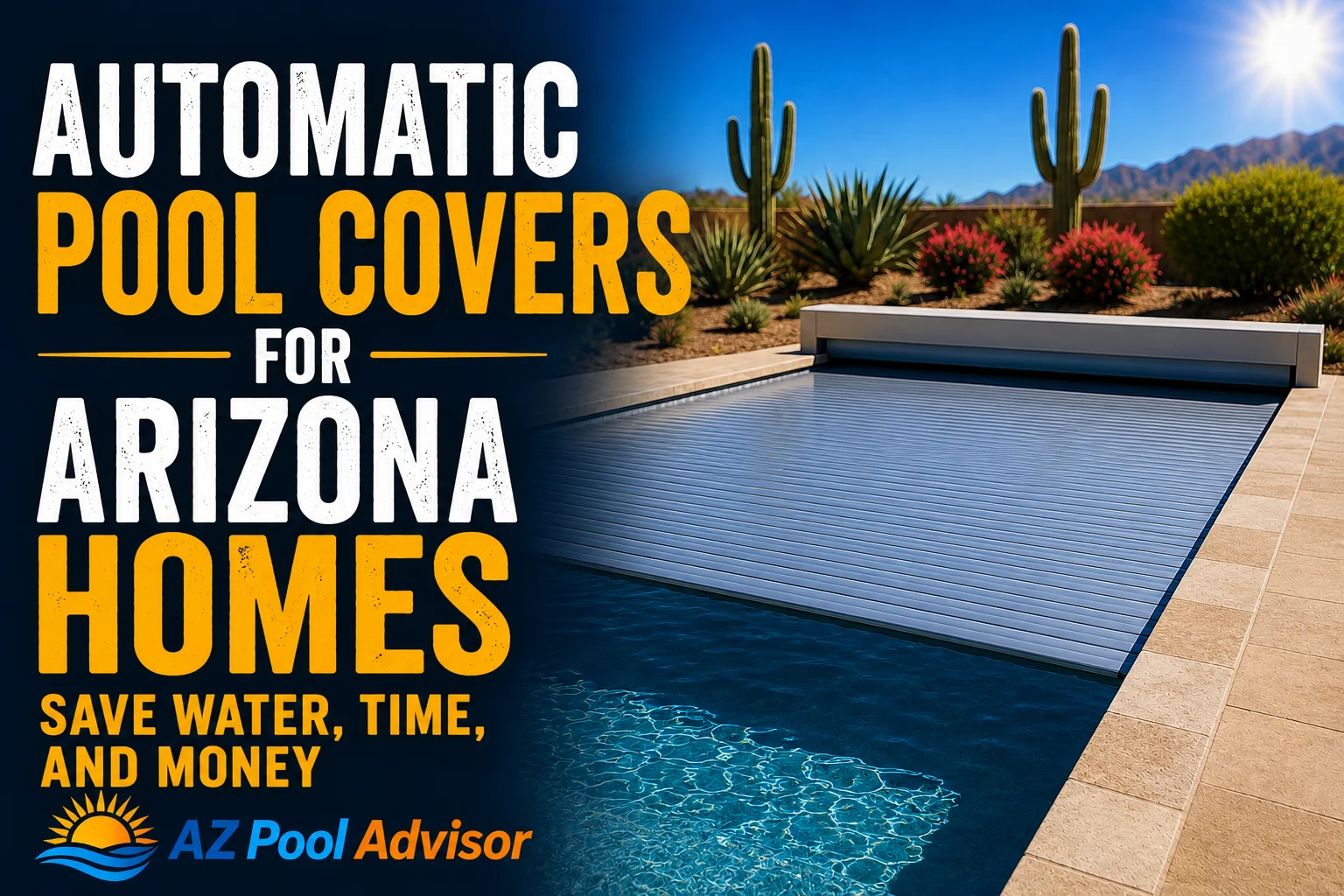
Arizona pool owners know pool care here is different. Long, hot summers, hard water, and monsoon season make evaporation, chemical loss, and debris regular headaches. An automatic pool cover can be one of the most effective upgrades you make to protect water, reduce running time, and make your backyard easier to enjoy year‑round.
What is an automatic pool cover and how does it work?
An automatic pool cover is a powered system that rolls a cover across your pool at the push of a button or via a remote. The cover material (typically reinforced vinyl, polymer, or slatted PVC) rolls onto a tube hidden in a recessed or above‑ground housing. Tracks along the pool perimeter guide the cover and keep it tensioned. Motors, safety locks, and control panels make the system simple to operate—no manual cranking or heavy lifting.
Why they make sense for Arizona pools
Automatic covers aren’t just a convenience; they solve problems specific to Arizona climates:
- Cut evaporation and save water: Arizona’s low humidity and high daytime temps drive heavy evaporation. A cover dramatically reduces water loss, which means fewer top‑offs and less time chasing the pool’s chemical balance.
- Stabilize chemistry and save chemicals: With less evaporation and reduced UV exposure from direct sun, chlorine and other sanitizers remain effective longer—helpful when temperatures accelerate chlorine burn‑off.
- Block monsoon debris: During late summer storms, wind can deposit leaves, grit, and silt in minutes. A closed cover keeps most debris out, reducing skimming, filter cleaning, and the risk of clogged equipment.
- Safety and year‑round use: Automatic covers add a layer of access control for children and pets. Many Arizona families who keep pools open year‑round appreciate the quick cover for evenings and stormy weather.
- Lower energy and equipment wear: By reducing the time pumps must run to keep water clear, you can curb electricity use and extend equipment life—important in areas where hot weather drives heavy pump duty.
Types and features to consider
Not all systems are created equal. For Arizona homes, key choices and features include:
Material and UV resistance
Choose cover materials rated for high UV exposure and heat. Reinforced vinyl and slatted PVC tend to resist stretching and become less brittle under prolonged sun exposure compared with thin solar blankets.
Recessed vs. above‑ground housings
Recessed housings give a cleaner look but require deck modification. Above‑ground housings are easier to retrofit but are more visible. In climates with large seasonal dust and sand load (like many Phoenix‑area neighborhoods), recessed housings can keep the mechanism cleaner—if you maintain them.
Motor placement and cooling
Motive components should be installed where they’re shaded and ventilated. In extreme heat, motors mounted in direct sun will run hotter and may need extra service. Ask installers about forced‑vent cooling or shaded enclosures.
Safety and controls
Look for systems with keyed switches, auto‑stop sensors, and built‑in safety certifications. Remote controls and integration with pool automation are convenient—but make sure child safety locks are a part of the package.
Arizona‑specific installation and maintenance tips
Automatic covers reduce work, but they do require local‑savvy installation and ongoing care:
- Protect tracks from hard water and calcium: Arizona’s hard water deposits can build on tracks and anchors. Schedule a clean and mild descaling every few months—especially after heavy use or if you notice the cover sticking.
- Rinse after monsoons: Windblown grit and silt will find housing seams. Rinsing tracks and housings after a big storm prevents abrasive wear.
- Watch chemical levels when covered long term: Covers reduce UV loss but also reduce aeration. Continue to test and adjust pH and chlorine regularly to avoid imbalances that can lead to cloudy water once the cover is removed.
- Schedule motor checks before summer: Peak heat is when failures are most likely. A pre‑season inspection from a qualified technician helps avoid mid‑season downtime.
Common concerns and how to address them
“Will a cover make my pool too warm?”
Color and material matter. Solid covers trap heat and reduce evaporation; they can keep temperatures higher, which some homeowners like for cooler months. If you want daytime cooling in summer, choose a lighter or breathable material and open the cover during hottest afternoons when you swim.
“Can the cover handle monsoon winds and debris?”
Most robust automatic covers handle typical monsoon debris—leaves, branches, and grit—but no system is indestructible. Proper anchoring, timely debris removal from housings, and occasional professional inspections improve longevity and performance.
What to ask a local installer
When you call companies, be ready with a short list of questions that reveal local experience and long‑term value:
- How many automatic covers have you installed in the Valley/Tucson area?
- What materials and UV ratings do you recommend for our climate?
- Where will the motor and housing be located, and how do you protect them from sun and dust?
- What local maintenance do you provide, and what’s covered under warranty?
- Do you handle permits, HOA approvals, and can you provide local references?
Cost, warranties, and value
Automatic covers are an investment. They typically cost more up front than manual covers but pay back through water savings, reduced chemical use, and less labor. Warranties vary—verify motor and fabric coverage, and read limitations related to UV damage or storm events. A well‑installed cover that’s maintained for Arizona conditions can protect your pool and cut recurring costs for years.
Final thoughts for Arizona homeowners
If you value fewer weekly maintenance chores, lower water and chemical use, and added safety, an automatic pool cover is worth strong consideration. The key for Arizona is choosing materials and installation practices suited to our intense sun, hard water, and monsoon‑season debris. Plan for regular, climate‑aware maintenance and select a local installer who understands these challenges.
Ready to explore options from reputable local pros? Browse AZ Pool Advisor’s local company listings and guides to find installers and get free estimates tailored to Arizona pools.
FAQ
Are automatic pool covers worth it in Arizona?
Yes for many homeowners. They significantly reduce evaporation, lower chemical use, limit debris after monsoons, and add safety. Whether they’re worth the investment will depend on how often you use your pool and your tolerance for weekly maintenance.
How long do automatic pool covers last?
Longevity depends on material, exposure, and maintenance. With proper installation and regular care—especially track cleaning and motor checks—many last a decade or more. Expect different lifespans for fabric, slatted, and polymer covers.
Will a cover prevent algae?
Covers reduce sunlight and can slow algae growth, but they don’t replace good circulation and sanitizer levels. Continue routine testing and treatment even when the cover is on.
Can I retrofit an automatic cover to an existing pool?
In most cases yes. Some pools need deck work for recessed housings. A local installer can evaluate your deck, equipment placement, and electrical needs for a retrofit.
Do covers require special pool chemistry?
Not special chemicals, but you should monitor pH, alkalinity, and sanitizer more regularly after installing a cover. Reduced evaporation and UV exposure change how chemicals behave, so testing remains important.